vikram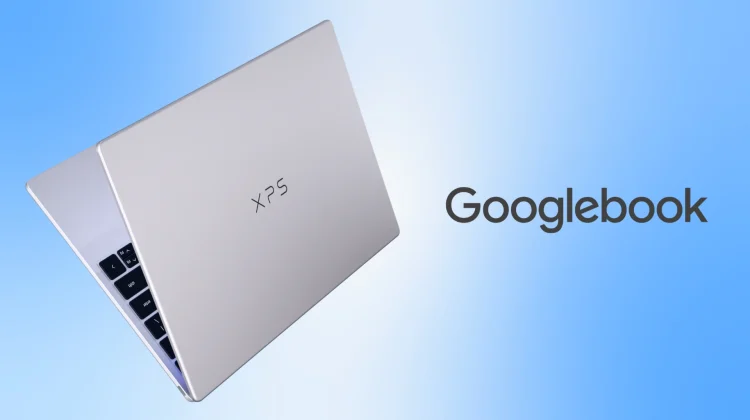
Dell appears to be preparing its first laptop under Google’s new Googlebook category, and the device is increasingly expected to carry the company’s premium XPS branding.
A Dell product carbon-footprint document has reportedly surfaced with the name “XPS Googlebook DX13267.” The appearance of this model name provides a strong indication that Dell’s upcoming Googlebook will be part of the XPS family. The same model number has also appeared in an earlier Geekbench listing, further connecting the device to previous reports.
Dell XPS Googlebook Name Appears in Official Documentation
The latest development comes from a Dell product carbon-footprint document that identifies the laptop as XPS Googlebook DX13267.
The XPS branding is particularly significant because Dell has traditionally used the XPS name for its premium consumer laptops. Instead of introducing its first Googlebook under a completely new brand, Dell appears to be bringing Google’s new platform into its established premium laptop lineup.
The model number DX13267 had previously appeared in a Geekbench listing associated with a Dell XPS 13. The matching model number adds more weight to reports that the benchmarked device and the upcoming Googlebook are the same product.
What Is the Dell XPS Googlebook?
The Dell XPS Googlebook is expected to be part of Google’s new Googlebook category.
Googlebook is designed as a new class of premium laptops that combines technologies from ChromeOS and Android, while placing Google’s Gemini artificial intelligence at the center of the experience.
Unlike traditional Chromebooks, Googlebooks are intended to offer a more premium hardware experience, along with deeper Android smartphone integration and new AI-powered productivity features.
Dell is among several major manufacturers expected to launch Googlebook devices, alongside brands such as Acer, ASUS, HP and Lenovo.
Expected Display and Design
Reports surrounding the Dell XPS Googlebook suggest that the device will feature a 13.4-inch display and weigh approximately 1.1kg.
If accurate, those specifications would place the laptop firmly in the lightweight premium notebook category. The low weight would also fit well with the design philosophy of Dell’s XPS lineup, which has traditionally focused on thin and portable machines.
The carbon-footprint documentation reportedly indicates a product lifecycle of around four years. However, this should not automatically be interpreted as a four-year software-update guarantee, as product lifecycle information and software-support commitments are separate matters.
Snapdragon X Elite Could Power the Laptop
Previous leaks have pointed toward Qualcomm’s Snapdragon X Elite platform as the processor powering the Dell XPS Googlebook.
The laptop has been associated with the Snapdragon X Elite X1E-80-100, while potential memory configurations could include 16GB and 32GB of LPDDR5X RAM.
Earlier reports have also suggested features such as Wi-Fi 7, Bluetooth connectivity and two USB-C ports.
A Geekbench listing reportedly showed the device achieving around 2,200 points in single-core performance and more than 9,500 points in multi-core testing.
However, benchmark results from pre-release hardware should be treated cautiously. Performance can change before launch as Dell and Google continue optimizing firmware, drivers and software.
There have also been reports suggesting that the laptop could feature a high-resolution OLED touchscreen, although this specification has not been fully confirmed.
Gemini Will Be a Major Part of Googlebook
One of the biggest differences between Googlebook and traditional Chromebook devices is Google’s focus on Gemini AI.
Googlebook is being designed around Gemini-powered features that can assist users directly within the laptop environment.
One example is Magic Pointer, which can provide contextual Gemini suggestions based on content on the screen. Another feature, Create My Widget, allows users to create personalized desktop widgets by describing what they want.
Google is also planning deeper connections between Googlebooks and Android smartphones. Features such as app casting and quick access to files could make it easier for users to move between their phones and laptops.
For Dell, this could make the XPS Googlebook particularly interesting for users who already rely heavily on Google’s services and Android devices.
Googlebook vs Chromebook
Googlebook is being positioned as something more than a simple replacement for Chromebooks.
Traditional Chromebooks continue to focus on simplicity, fast startup times, cloud-based computing and affordability. Googlebook, meanwhile, is being positioned toward the premium laptop market.
| Feature | Traditional Chromebook | Googlebook |
|---|---|---|
| Positioning | Everyday computing | Premium laptops |
| Platform | ChromeOS | ChromeOS + Android technologies |
| AI | Gemini features | Gemini-focused experience |
| Android integration | Available | Deeper integration |
| Hardware | Wide range | Premium-focused |
| Target audience | General users | Premium and productivity users |
This distinction could allow Google to target customers who might normally consider Windows or macOS laptops instead of Chromebooks.
Launch Date and Availability
Google has indicated that the first Googlebook devices are expected to arrive during fall 2026.
More details about the first generation of Googlebook laptops are expected to emerge as manufacturers prepare their respective launches.
Dell has not yet revealed the complete retail specifications, pricing or final availability details for the XPS Googlebook.
As a result, information regarding the exact display configuration, battery capacity, processor options, storage and price should still be considered unconfirmed until Dell makes an official announcement.
Another Dell Googlebook Could Also Be in Development
The XPS Googlebook may not be the only Googlebook device Dell is developing.
Reports have also pointed to another Dell project reportedly known internally as “Annite.” The device is believed to share some development work with the project associated with the XPS Googlebook.
Unlike the expected XPS model, Annite could potentially use a Snapdragon X Plus processor instead of the more powerful Snapdragon X Elite.
If both devices eventually reach the market, Dell could offer Googlebook laptops across multiple performance and pricing segments.
What This Means for Dell’s XPS Lineup
The appearance of the “XPS Googlebook DX13267” name in Dell documentation provides stronger evidence that the company is preparing an XPS-branded Googlebook.
Based on the information currently available, the laptop is expected to be a compact 13.4-inch premium notebook weighing around 1.1kg, potentially powered by a Snapdragon X Elite processor and offering up to 32GB of RAM.
The combination of Dell’s XPS hardware design, Qualcomm’s Snapdragon platform and Google’s Gemini-focused software could make the device an interesting entry into the premium laptop market.
However, several important details remain unknown, including the final price, storage configurations, battery capacity, display options and launch markets.
Until Dell officially announces the product, these specifications should be treated as reported or leaked information rather than confirmed retail specifications.
If the current reports prove accurate, the Dell XPS Googlebook DX13267 could represent an important step in Google’s attempt to expand Googlebook beyond the traditional Chromebook market and compete more directly in the premium laptop segment.
SEO Keywords
Dell XPS Googlebook, Dell XPS Googlebook DX13267, Dell Googlebook laptop, Dell Googlebook launch, Googlebook 2026, Dell XPS 13 Googlebook, Snapdragon X Elite laptop, Googlebook specifications, Googlebook release date, Googlebook price, Gemini laptop, Dell AI laptop, Googlebook vs Chromebook, Dell XPS 2026