vikram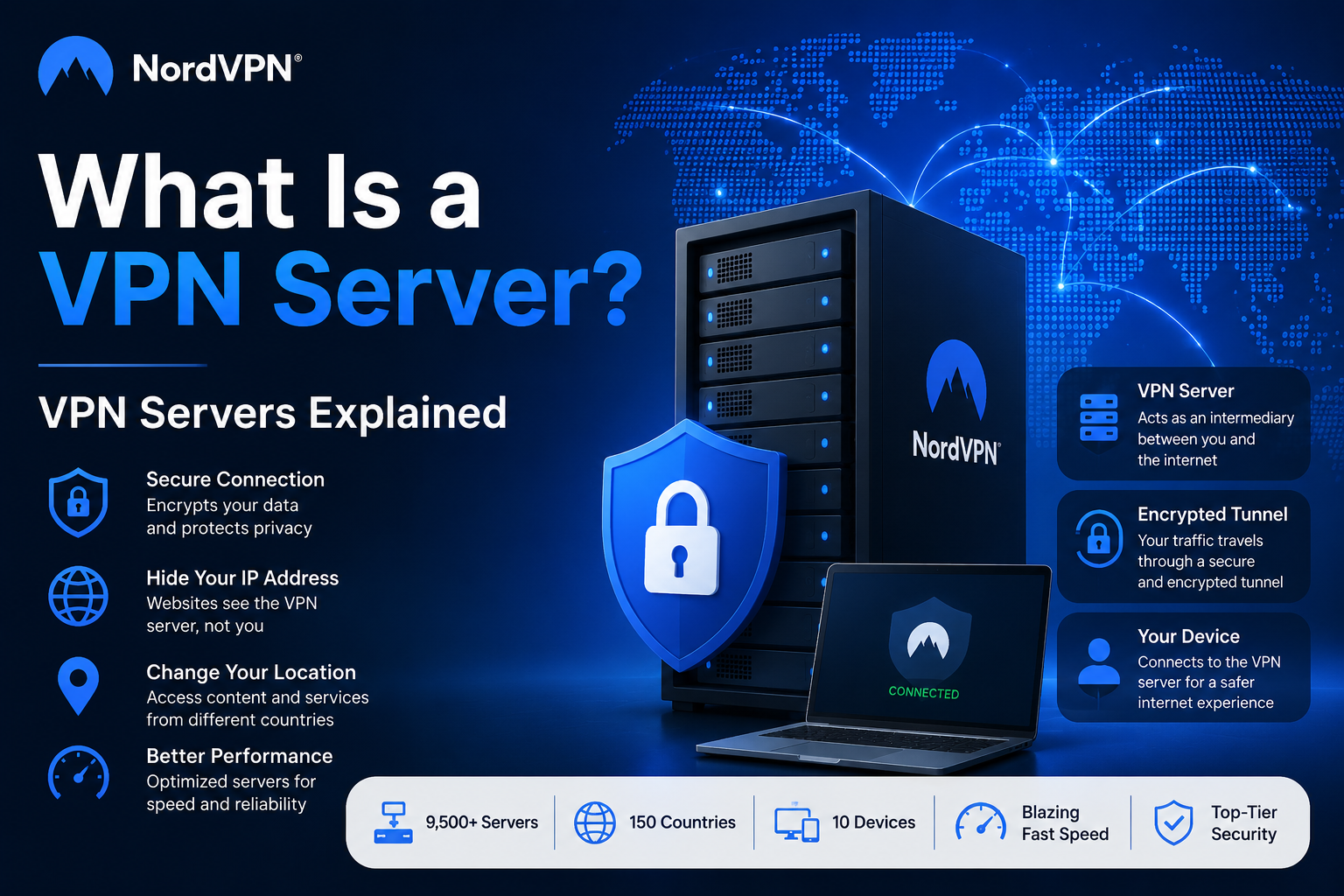
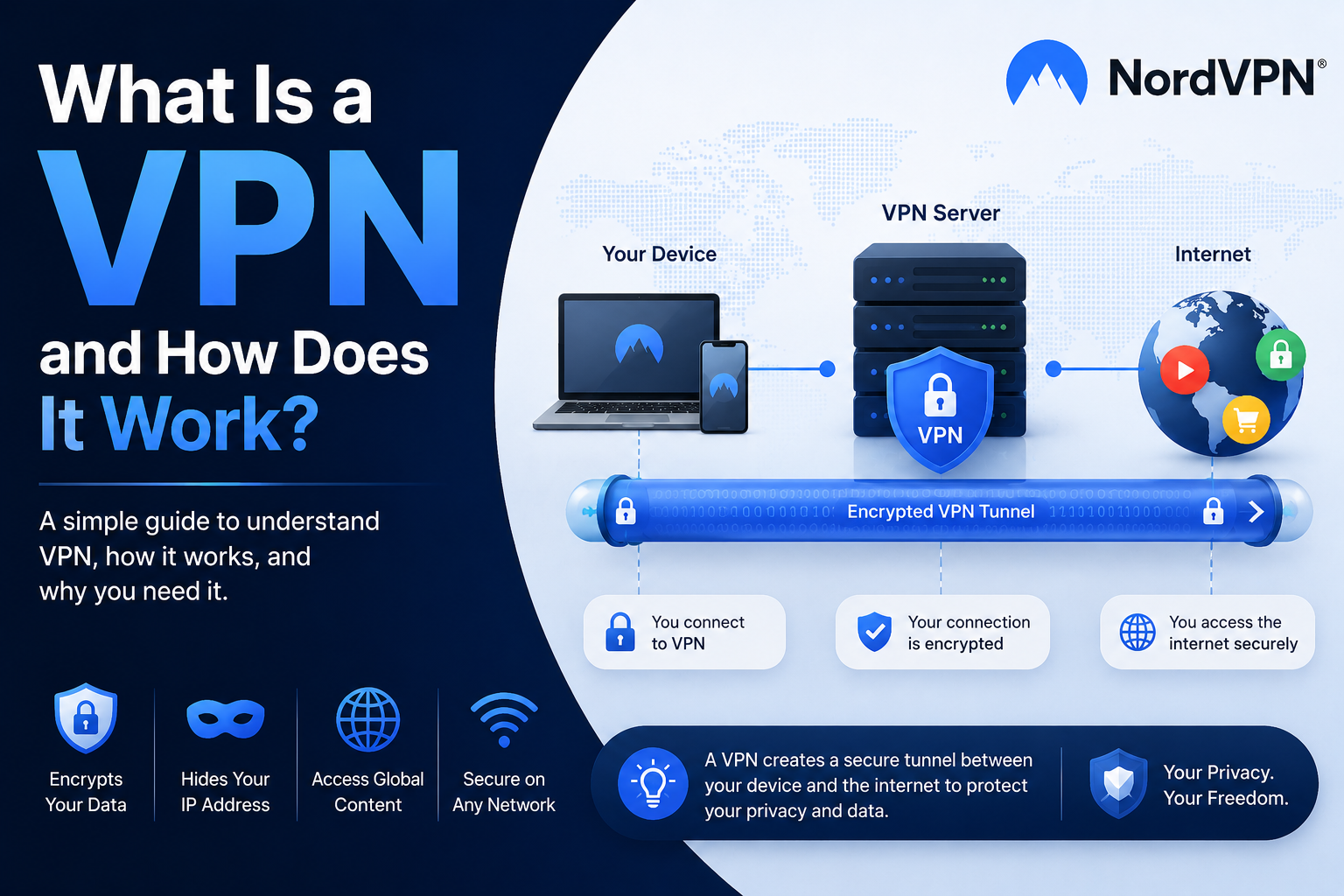
When you use a VPN, your connection doesn’t simply go directly from your device to the website. Your traffic first passes through a VPN server.
But what is a VPN server, how does it work, and which type of VPN server should you choose?
What Is a VPN Server?
A VPN server is an intermediary between your device and the internet.
When you connect to a VPN, your traffic travels through the VPN server before reaching the websites or services you want to access.
The connection between your device and the VPN server is encrypted. The VPN server also provides an IP address that websites can see instead of your original IP address.
How Does a VPN Server Work?
The process is relatively simple:
- You open your VPN application.
- You choose a VPN server or location.
- Your device connects to the selected VPN server.
- Your traffic travels through the encrypted VPN connection.
- Websites see the VPN server’s IP address.
The server therefore acts as a bridge between your device and the wider internet.
Why Does the VPN Server Location Matter?
VPN providers usually offer servers in different countries.
When you select a particular country, your internet traffic is routed through a server in that location, where available.
This can be useful when you need an IP address associated with a particular country or when you want to choose a server geographically closer to you.
For ordinary browsing, choosing a nearby server is often a good starting point because physical distance can influence connection speed.
Types of VPN Servers
Not every VPN server works exactly the same way. VPN providers can offer different categories for different purposes.
Standard VPN Servers
Standard servers are the most common option.
They encrypt your traffic and replace your original IP address with the VPN server’s IP address.
For most everyday browsing, a standard server is usually sufficient.
Double VPN Servers
Double VPN servers route your traffic through two VPN servers.
This adds another layer to the connection and can be useful for people who have stronger privacy requirements.
Onion Over VPN
Onion Over VPN combines a VPN connection with the Onion network.
It adds another routing layer and can be useful for users looking for additional privacy.
Obfuscated Servers
Obfuscated servers are designed to hide the fact that a VPN is being used.
This can be useful on networks where VPN connections are restricted or filtered.
P2P Servers
P2P servers are optimized for peer-to-peer file sharing.
Dedicated IP
A Dedicated IP is different from a standard shared VPN IP. It provides an individual IP address that can be assigned to one user or a small group.
Dedicated IPs can be useful for specific situations where having a consistent IP address is important.
How to Choose a VPN Server
The best VPN server depends on what you’re trying to do.
For everyday browsing, a standard nearby server is usually a sensible choice.
If you need additional privacy, you may consider Double VPN or Onion Over VPN.
If you’re on a network that restricts VPN traffic, an obfuscated server may be more appropriate.
For peer-to-peer traffic, a P2P server may be the better option.
Does a VPN Server Make You Anonymous?
A VPN server hides your original IP address from the websites you visit, but it does not guarantee complete anonymity.
Other tracking techniques, such as cookies and browser fingerprinting, can still identify users.
A VPN should therefore be viewed as a privacy and security tool rather than a complete anonymity solution.
NordVPN Servers
According to the supplied NordVPN information, NordVPN currently has 9,500+ servers in around 150 countries.
It also offers specialty server categories including Double VPN, Onion Over VPN, Obfuscated, P2P and Dedicated IP.
Try NordVPN
https://go.nordvpn.net/aff_c?offer_id=266&aff_id=154507&url_id=710